By Shane Reeves, PharmD, CEO, TwelveStone Health
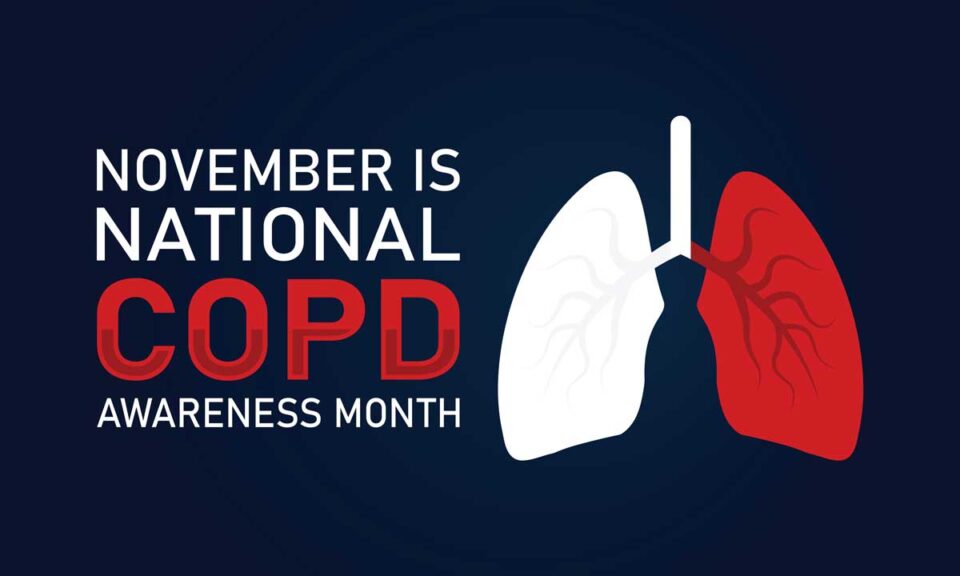
More than sixteen million Americans live with Chronic Obstructive Pulmonary Disease (COPD), a chronic, progressive condition, with many more undiagnosed. Managing COPD depends on coordination and innovation. November is COPD Awareness Month, and while COPD progression can’t be reversed, maintaining quality of life is possible because of new treatments.
What Is COPD? Understanding the Disease Pathway
COPD covers two main conditions: chronic bronchitis and emphysema. Both narrow the airways, making it harder for the lungs to work. It’s not only smoking that causes it. Long-term exposure to pollution, workplace irritants, and certain genetic factors can lead to the same kind of injury. The damage makes everyday activities harder.
Standard Therapies and Where Infusion or Advanced Therapies Fit In
Standard treatment plans start with inhalers, vaccines, pulmonary rehab, and oxygen therapy. They are important, but some patients still see their symptoms worsen even when they do everything right. Now there are more options.
Biologic therapies that target inflammation help patients whose COPD overlaps with asthma. During flare-ups, intravenous or intramuscular corticosteroids and antibiotics treat infection, reduce inflammation, and decrease the need for hospital visits. When immune-related issues make flare-ups more frequent, some patients respond well to immunoglobulin therapy. Home spirometry and remote monitoring tools keep physicians in touch with patients between visits.
Understanding Advanced and Infusion-Based Therapies for COPD
Infusion therapies, such as intravenous corticosteroids like methylprednisolone, control inflammation and support recovery without hospital admission. When bacteria trigger a flare, intravenous antibiotics target the source of the infection. For patients living with Alpha-1 Antitrypsin (AAT) deficiency, a genetic form of COPD, regular augmentation therapy replaces the missing protein and remains the only FDA-approved treatment for this condition. TwelveStone Health Partners manages these therapies within a coordinated framework that integrates the physician’s plan of care and the patient’s long-term goals.
Patient Eligibility for Infusion or Advanced Therapies
Not every COPD patient requires infusion treatment. Patients with AAT deficiency receive therapy as part of regular management. Others may qualify if repeated flare-ups or infections make infusion therapy necessary to prevent hospitalization.
Benefits and Limitations of Infusion Therapies in COPD
Infusion therapies not only support faster recovery but also reduce hospitalizations. In AAT deficiency, augmentation therapy even protects remaining lung tissue. Still, the therapy has limits. It doesn’t repair existing damage, and results depend on consistent administration. Side effects require monitoring. And not every patient qualifies. Insurance coverage varies. Within a full care plan, though, infusion supports patients with the most demanding cases of COPD.
Looking Ahead: The Future of COPD Treatment
The next era of COPD care comes from integration. Biologic therapies, gene research into AAT deficiency, and digital tools that track lung function outside the clinic are reshaping how the disease is managed. Infusion therapy is evolving as well, shifting from an emergency measure to a planned part of long-term care. At TwelveStone, we are embracing this change to make advanced treatment easier for both patients and physicians to access.
Patients, caregivers, and referring physicians can contact TwelveStone for guidance on infusion options, coverage, and COPD support. Every step toward better treatment begins with a conversation.