Chronic Conditions
Hypercholesterolemia
Living successfully with hypercholesterolemia is good for your heart. Managing a chronic condition takes ongoing care and support. Let TwelveStone help you succeed with a care team built around you.Hypercholesterolemia Medications
Persistently high LDL cholesterol can be difficult to manage with lifestyle changes alone. For some adults, including those with severe or inherited forms of hypercholesterolemia, a prescribing clinician may recommend medication to help lower LDL cholesterol and reduce cardiovascular risk.
TwelveStone Health Partners helps patients access and receive prescribed, clinic-administered cholesterol therapies, including LEQVIO.
Our team coordinates with your prescribing physician, manages benefits verification and prior authorization, and helps arrange treatment at a convenient TwelveStone location. With 35+ years of experience in community-based specialty healthcare, TwelveStone supports patients throughout the treatment access process.

Ashley Mcgee
Absolutely loved this place amazing staff and made you feel well taken care of! Would give more than 5 if I could on the stars! 🩷⭐️⭐️⭐️⭐️

David Brandes

Ronetta Witherspoon

Mandy Leitsch

Kay Duncan
Hardly no waiting, awesome nurses. A good place to have to go get infusions.

Robert Holloway

Minnie Toler
They were so welcoming and caring.They had a whiteboard with a greeting and personal welcome from their staff. They also always made sure that I was always comfortable.

Maurice Carter
I've been twice so far for my monthly injection. These are the kindest, nicest, most pleasant people! But also quick and efficient. I was in and out in less than 10 minutes this week.

Ashley Mondesir
I had an absolutely incredible experience at Twelvestone in Smyrna. Loraine, Leah, and Leoneed were fantastic. All so caring, patient, and attentive. I have had a longtime fear of needles but knowing I will have the support of such a lovely team with those incredible women when I come in for infusions will put me at such ease. Fantastic team!

Marion Jones

Domitila Craighead
I have been using Twelve Stone for almost three years now. The staff is very caring and always trying to make the experience as pleasant as possible. They are always willing to answer any questions you may have and do everything to make you comfortable

Tiffany Smith

catherine jameson
Nice comfortable atmosphere. The staff was very proficient, knowledgeable and friendly and made me feel very comfortable In spite of my nervousness and apprehension of getting the infusion. Thanks for your professionalism.

Catherine Jameson

KentuckyGuy
Very professional and kind staff. Sadly, I’ve had to use them twice now. If you end up at TwelveStone know that you are in good hands.

A Williams
We had a very pleasant and relaxing experience at TwelveStone Infusion center today for my mom’s treatment! Everyone in the office was extremely nice and welcoming. We really felt at home there and the snacks were a huge blessing! Thank you Jessica, Sarah and Megan, y’all are amazing!! And Jennifer at the front, we appreciate your kindness and helpful heart!

Terri Gamble
Great experience at Twelvestone Infusion center. Great location. The facility was clean, individual rooms made me comfortable while getting my infusion. The. . receptionist to nurses were friendly and efficient. Highly recommend using them.

Vk Reece
Sarah and Stacy were jewels. It started at the Reception desk and in the infusion room. Everything went Exceptionally well. THANK YOU ❣️

Sky Stephens
I would recommend this facility to everyone. Ms Chelsea and Ms Jordan were so helpful. These ladies are amazing... Thank you for taking care of my dad.... 100% And 5 Stars for me

Rachel McClure
Even though I go there for treatment, I always enjoy going. That bunch there is like family. I’ve never been to any other place that makes each patient feel so special. Highly recommend Twelve Stone in Murfreesboro Tn.

Charmayne Calhoun
They always have the best nurses and practitioners there. The front office lady is really nice. I like how they run a "tight schedule" in the most respectful way. Making sure all scheduled patients are seen on time. Great facility to get your infusions from.

Charmaine Williams

Rachel Lee
This is a wonderful place to get your infusions done. The staff are very friendly and welcoming and very knowledgeable with their nursing care. The facility is very home-like and comforting. Their God centered environment practice was refreshing to see. I 10/10 recommend.

Sue Hirsbrunner
Everyone was so kind and helpful. My nurses were Meagan and Stephanie. They were both very helpful. It was very interesting and I really liked the facility and especially my nurse Stephanie.

Norma Velasco
Everyone at this facility very pleasant and informative. So glad my Physican referred me to this location. See

Leigh Tribble
While one would hope that you would never have to go to a facility of this nature, I can say with complete honesty that we felt nothing but empathy, kindness and heartfelt care at this infusion center. Absolutely the most professional and kind medical facility and staff we have encountered.

When Does Hypercholesterolemia Require Advanced Treatment?
Advanced treatment may be considered when LDL-C remains above an individualized target despite lifestyle changes and other appropriate therapies, particularly for people at higher cardiovascular risk.
A prescribing clinician evaluates lipid panel results alongside your medical history, family history, existing cardiovascular disease, and other risk factors to determine the appropriate treatment plan.
A clinician may consider additional cholesterol-lowering treatment when:
- LDL-C remains above the goal established by your clinician despite lifestyle changes and other appropriate treatment
- You have a family history of premature cardiovascular disease or inherited high cholesterol
- You have additional cardiovascular risk factors, such as diabetes or chronic kidney disease
- You have established atherosclerotic cardiovascular disease (ASCVD)
High cholesterol usually does not cause noticeable symptoms, which is why lipid testing plays an important role in detection and ongoing monitoring. Your prescribing clinician will determine which therapy is appropriate based on your LDL-C levels, cardiovascular risk, medical history, and response to previous treatments.
If your clinician prescribes a therapy supported by TwelveStone, our care team can help with benefits verification, prior authorization, and coordination of your treatment.
Familial Hypercholesterolemia: Diagnosis, Family Screening, and Treatment
Familial hypercholesterolemia (FH) is an inherited condition that can cause very high LDL cholesterol from an early age and increase the risk of premature cardiovascular disease. Because FH runs in families and often causes no noticeable symptoms, early identification can help affected individuals and their relatives receive appropriate evaluation and treatment.
How Is Familial Hypercholesterolemia Diagnosed?
Evaluation for FH typically includes cholesterol testing and a detailed review of personal and family cardiovascular history.
A clinician may also look for physical signs associated with severe inherited high cholesterol, such as tendon xanthomas, and may recommend genetic testing when appropriate. When FH is diagnosed, clinical guidelines recommend evaluating close biological relatives through cascade screening because they may also be affected.
How TwelveStone Supports Access to Prescribed Treatment
TwelveStone does not diagnose familial hypercholesterolemia or determine which medication you should receive. Once your prescribing clinician selects a therapy supported by TwelveStone, our team can help coordinate benefits verification, prior authorization, and treatment access.
Learn more about the conditions and therapies we support through our chronic conditions hub. If your specialist prescribes a therapy available through TwelveStone, they can send the referral to our team to begin the insurance verification and treatment coordination process.
LEQVIO vs. PCSK9 Inhibitors: What’s the Difference?
LEQVIO and PCSK9 monoclonal antibodies are injectable cholesterol-lowering treatments that may be prescribed for certain patients who need additional LDL-C reduction. They differ in how they work, how often they are administered, and how treatment is given. Your prescribing clinician will determine whether either option is appropriate based on your cardiovascular risk, LDL-C levels, treatment history, and other clinical factors.
How Do Dosing and Administration Differ?
| Feature | LEQVIO | PCSK9 Monoclonal Antibodies |
|---|---|---|
| Administration | Administered by a healthcare professional | Commonly self-administered |
| Dosing schedule | Initial dose, again at 3 months, then every 6 months | Varies by medication; commonly every 2 or 4 weeks |
| Treatment setting | Clinical setting | Commonly at home |
| Treatment selection | Determined by the prescribing clinician | Determined by the prescribing clinician |
LEQVIO is administered by a healthcare professional as an initial dose, again at three months, and then once every six months. In clinical trials, LEQVIO used alongside maximally tolerated statin therapy lowered LDL-C by approximately 50% compared with placebo.
Learn more about LEQVIO treatment at TwelveStone, including how our team supports access and administration.
Your prescriber will determine which treatment is appropriate based on your LDL-C goals, cardiovascular risk, medical history, previous treatments, preferences, and coverage requirements. If your clinician prescribes a therapy available through TwelveStone, our team can help with benefits verification, prior authorization, scheduling, and treatment coordination.
How to Start Hypercholesterolemia Treatment With TwelveStone
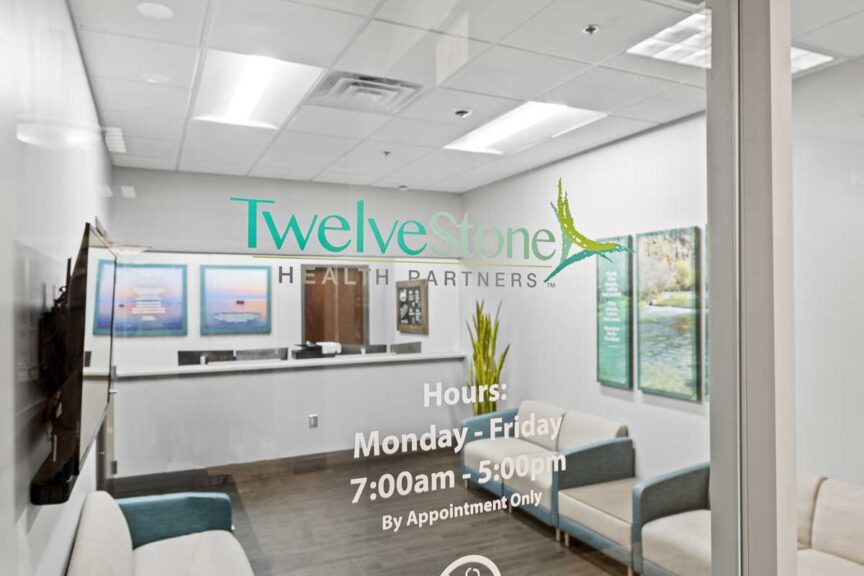
Once your clinician prescribes a therapy available through TwelveStone, our intake team helps coordinate the steps required before treatment begins.
Depending on your prescribed medication and insurance plan, this may include benefits verification and prior authorization before treatment can be scheduled. Our team coordinates with your prescribing provider and insurance plan to help clarify coverage requirements and move your referral through the authorization process.
- Referral: Your prescribing provider sends the prescription and supporting clinical information to TwelveStone.
- Insurance verification: Our team reviews your benefits and coordinates any required prior authorization with your provider and insurance plan.
- Scheduling: Once the necessary coverage and clinical requirements are completed, we contact you to schedule treatment at an appropriate TwelveStone location.
- Treatment: You receive your prescribed therapy in a TwelveStone infusion center, with support from our clinical care team.
When you contact TwelveStone, having your current medication list and information from your most recent lipid panel available may help our team begin the intake process.
Organizational Resources

For nearly 100 years, the American Heart Association has been fighting heart disease and stroke, striving to save and improve lives.

The FH Foundation is a patient-centered nonprofit organization dedicated to research, advocacy, and education of familial hypercholesterolemia (FH).
New Patient Resources



Healthcare Costs
- Patient Assistance Programs
- Cost drivers of Multiple Sclerosis
- Health Care Cost Assistance Guide
If you have been prescribed a cholesterol-lowering therapy supported by TwelveStone, our care coordinators can help you understand the next steps for insurance verification, authorization, and treatment scheduling. Contact our team to begin coordinating your prescribed treatment.