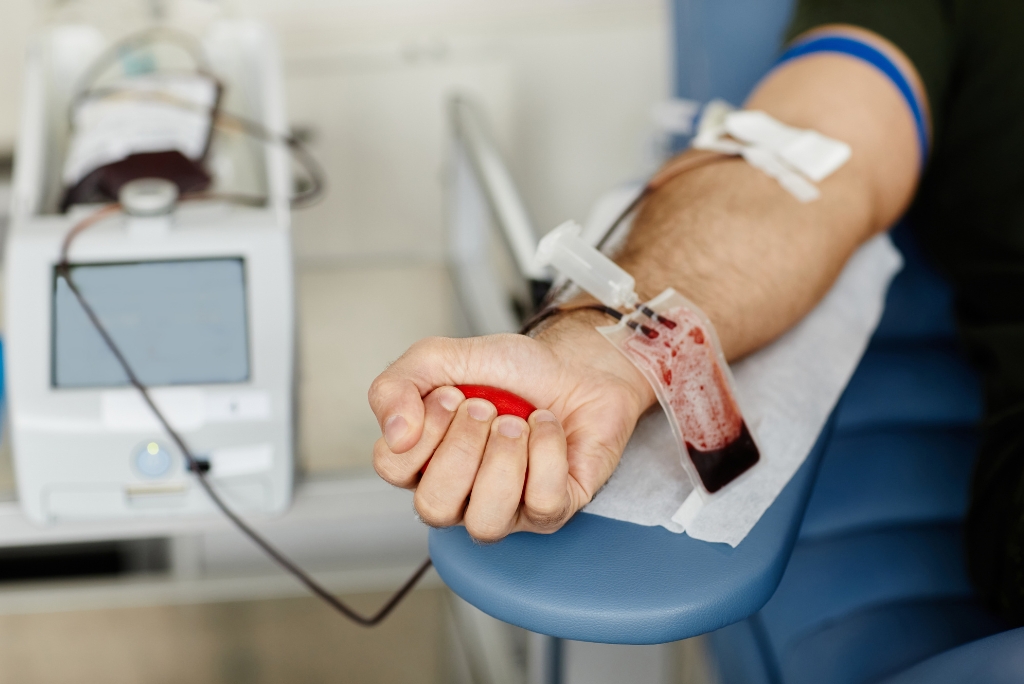
When you are exhausted, short of breath, or preparing for surgery, understanding the differences between an iron infusion vs blood transfusion can feel overwhelming. While both treatments may help improve symptoms related to anemia, they work in very different ways. A blood transfusion replaces red blood cells immediately, while an iron infusion helps your body rebuild its own iron stores over time.
This guide explains how each treatment works, when it may be recommended, and what you can expect during recovery. Here’s what we’ll cover:
- When a blood transfusion is needed versus when IV iron may be recommended
- How recovery timelines differ between both treatments
- Common side effects and risks to understand before treatment
- Insurance coverage and prior authorization considerations
Please note: This guide is for educational purposes and is not a substitute for medical advice. If you experience chest pain, fainting, or heavy bleeding, seek urgent care immediately.
Let’s start by looking at how each treatment works and why healthcare providers choose one over the other depending on your condition.
Related Article: Infusion Therapy for Autoimmune Diseases: A Patient Guide
How Each Treatment Works
Although both treatments help manage anemia, they do so in very different ways. Understanding how each one works makes it easier to see why your provider may recommend one treatment, or sometimes both.
Choosing between an iron infusion and a blood transfusion is not simply a matter of preference. Each treatment serves a different purpose and works on a different timeline. One provides immediate support, while the other helps rebuild your body’s iron stores over time.
A blood transfusion provides ready-to-use red blood cells that immediately improve your body’s oxygen-carrying capacity. This can provide rapid symptom relief when immediate treatment is necessary.
Because anemia has many possible causes, providers often review laboratory tests such as ferritin and transferrin saturation before recommending the most appropriate treatment.
So when do providers recommend one over the other?
How Clinicians Decide
The decision between an iron infusion and a blood transfusion depends on how severe your symptoms are, your overall health, and the underlying cause of your anemia. Someone with severe blood loss or dangerously low oxygen levels may require immediate treatment, while a stable patient with iron deficiency may benefit from IV iron therapy instead.
Doctors typically recommend a blood transfusion during medical emergencies, such as active bleeding, hemodynamic instability, or severe symptoms caused by low oxygen delivery, including chest pain or fainting. In these situations, immediate treatment is often necessary.
An iron infusion may be recommended for patients who are medically stable but have iron deficiency that cannot be corrected with oral supplements.
This may include people with gastrointestinal conditions that limit iron absorption, those who cannot tolerate oral iron, or patients preparing for surgery. In some cases, providers use both treatments, a blood transfusion for immediate stabilization followed by IV iron to restore long-term iron stores.
Before your next appointment, your healthcare provider will review your symptoms, laboratory results, and overall health to determine which treatment is most appropriate for your situation.
Once your treatment plan is in place, many patients want to know how soon they can expect to feel better.
Timelines for Relief and Follow-Up Labs
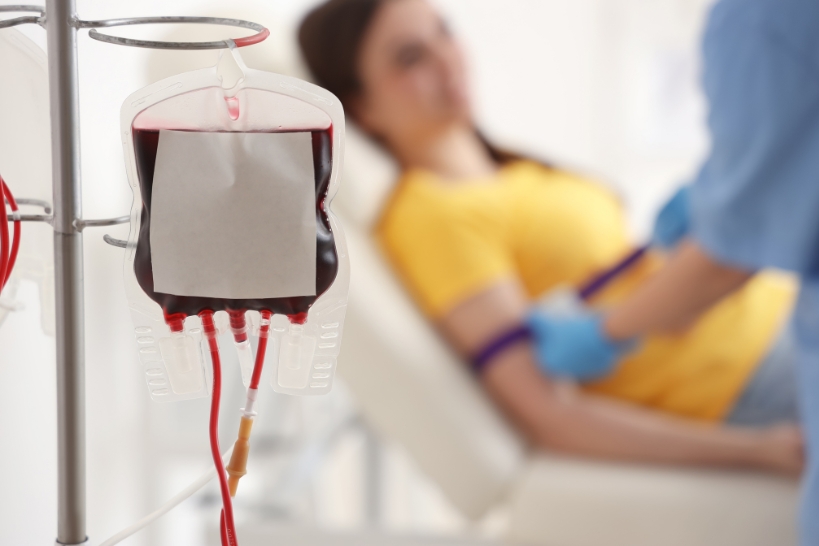
Recovery timelines vary depending on your condition and the treatment you receive. Blood transfusions often provide symptom relief within hours because they immediately increase your oxygen-carrying capacity. Iron infusions work more gradually, helping your body produce new red blood cells over the following days and weeks.
Although both treatments address anemia, their recovery timelines are very different:
- Blood Transfusion: Often provides symptom relief within hours because oxygen-carrying red blood cells are replaced immediately.
- Iron Infusion: Replenishes iron stores so your body can produce new red blood cells, with symptom improvement typically occurring over the following weeks.
The difference comes down to how each treatment works. A blood transfusion replaces red blood cells immediately, while an iron infusion supplies the iron your bone marrow needs to produce new red blood cells over time.
Your provider will likely schedule follow-up lab work after treatment to monitor your recovery and determine whether additional care is needed. Keep in mind that laboratory results and symptom improvement do not always happen at the same pace, so your care team will guide you based on your individual progress.
Recovery time is only one part of the decision. It’s also important to understand the potential side effects, risks, and insurance considerations associated with each treatment.
Side Effects, Insurance, and What to Expect
Both treatments are generally well tolerated, but they come with different risks, recovery experiences, and insurance considerations. Understanding what to expect can help you feel more prepared before your appointment.
Serious reactions to either treatment are uncommon, but each has potential side effects.
After an iron infusion, some patients experience temporary body aches, fatigue, or flu-like symptoms one to two days later. Your provider may also monitor certain laboratory values during repeat treatments. Let your care team know immediately if you notice burning, swelling, or pain around the IV site during your infusion.
During a blood transfusion, your care team monitors you closely throughout the treatment to watch for uncommon reactions and help ensure your safety.
Insurance coverage for iron infusions varies depending on your diagnosis and health plan. Some insurers require patients to try oral iron supplements before approving IV iron therapy, a process commonly known as step therapy. TwelveStone’s team can help explain your coverage, assist with prior authorization requirements, and answer questions before treatment.
Learn more about TwelveStone’s infusion center resources to better understand the treatment process and available patient support.

Choosing the Right Treatment Plan
Choosing between an iron infusion and a blood transfusion depends on your symptoms, medical history, and treatment goals. Working closely with your healthcare provider can help you understand which option is most appropriate for your situation.
A blood transfusion may be recommended when immediate symptom relief is needed. If iron deficiency is the primary cause of your anemia, an iron infusion may provide a longer-term solution by helping your body restore healthy iron levels over time.
To better understand your treatment plan, consider asking your healthcare provider these questions during your next visit:
- What is causing my anemia, and has active bleeding been addressed?
- What clinical result are we trying to achieve, such as rapid symptom relief or a specific ferritin goal?
- What timeline should I expect for symptom improvement and follow-up lab work?
- Which IV iron product is best for me, considering dose count, monitoring, and potential side effects?
- What is the long-term plan to prevent recurrence?
If an iron infusion is part of your treatment plan, TwelveStone Health Partners can help you navigate scheduling, insurance questions, and ongoing support throughout your care.
Common Questions About Iron Infusions and Blood Transfusions
Is an iron infusion the same thing as a blood transfusion?
No, they are different treatments. A blood transfusion replaces missing red blood cells immediately, while an iron infusion provides the raw mineral your body needs to build its own cells over time. In severe cases of chronic anemia, In some situations, healthcare providers may recommend both treatments as part of the same care plan.
How soon will I feel better after an iron infusion vs transfusion?
Many patients notice the effects of a blood transfusion within hours, as it instantly delivers oxygen-rich cells to your body. An iron infusion works more gradually. Most patients notice their energy levels and physical symptoms improving over one to six weeks.
What is “iron flu,” and should I worry?
“Iron flu” is a mild, temporary reaction causing body aches, joint pain, headaches, and fatigue 24 to 48 hours after your infusion. It is usually harmless and resolves on its own within a few days. Contact your healthcare provider if your symptoms become severe or you develop a high fever, chest pain, or difficulty breathing.
Can iron infusions stain the skin permanently?
Yes, permanent skin staining can occur if the iron fluid leaks out of the vein into the surrounding tissue during the infusion. To prevent this, notify your clinical team immediately if you feel any burning, coldness, swelling, or pain around your IV site.
Why does my insurance require oral iron first?
Insurance companies use a process called “step therapy” to make sure patients try lower-cost options, like oral supplements, before approving more expensive IV treatments. Your clinical team can help document oral iron failures or side effects to request a prior authorization bypass.
Where can I learn what to expect at an infusion center?
Visit TwelveStone Health Partners’ infusion center resources to learn what to expect before your appointment, how to prepare for your infusion, and how our care team helps keep you comfortable throughout treatment. If you have additional questions, we’re always happy to help.